
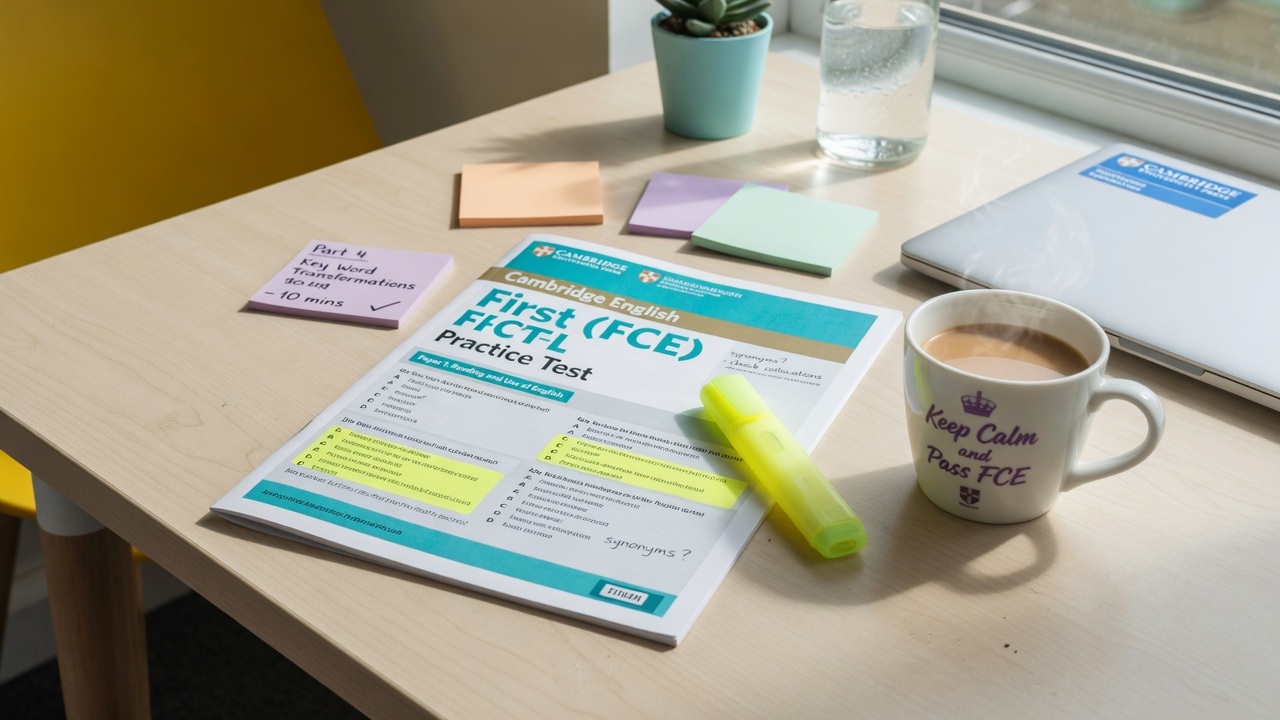
Mastering English Pronunciation: Your Path to Clearer Communication
Learning English opens up a world of opportunities, connecting you from Antalya to the world, just as our tagline "Antalya'dan Dünyaya" suggests. While mastering grammar and vocabulary is essential, truly effective communication hinges on clear and confident pronunciation. For many English learners, especially those whose native language is Turkish, certain sounds and speech patterns can be particularly challenging. But don't worry – with the right strategies and consistent practice, you can significantly improve your English pronunciation.
At ICS English, we understand these challenges and are dedicated to helping you achieve fluency. This blog post will guide you through practical tips and effective practice methods to refine your English pronunciation, helping you speak with greater accuracy and confidence.
Why English Pronunciation Matters
Good pronunciation is more than just sounding like a native speaker; it's about being understood clearly. When your pronunciation is accurate, you:
- Communicate More Effectively: Mispronunciations can lead to misunderstandings, even if your vocabulary and grammar are perfect. Clear pronunciation ensures your message is received as intended.
- Boost Your Confidence: When you know you're speaking clearly, you're more likely to participate in conversations, presentations, and social interactions without hesitation.
- Enhance Your Professional Opportunities: In a globalized world, clear English communication is a valuable asset in many careers, from tourism in Antalya to international business.
- Connect Better Socially: Engaging in social events and club activities, like those offered by ICS English, becomes much more enjoyable when you can express yourself freely and clearly.
Common Pronunciation Challenges for Turkish Speakers
Turkish has a phonetic alphabet where each letter generally corresponds to one sound, making it a very consistent language. English, however, is not as straightforward. Here are some common areas where Turkish speakers might find English pronunciation tricky:
- Vowel Sounds: English has many more vowel sounds than Turkish, and distinctions can be subtle. For instance, the difference between short 'i' (as in "ship" /ʃɪp/) and long 'ee' (as in "sheep" /ʃiːp/) or short 'a' (as in "cat" /kæt/) and 'e' (as in "desk" /dɛsk/) can be challenging.
- Consonant Sounds:
- 'Th' Sounds (/θ/ and /ð/): These sounds (as in "think" /θɪŋk/ or "this" /ðɪs/) do not exist in Turkish and often get replaced with 's', 'f', 'd', or 'z'.
- 'W' vs. 'V': The distinction between 'w' (as in "west" /wɛst/) and 'v' (as in "vest" /vɛst/) can be hard, as Turkish uses 'v' for both.
- 'P' vs. 'B': While Turkish has both, the aspiration of 'p' in English (the puff of air that follows it, as in "pen") might need attention.
- Word Stress and Intonation: English is a stress-timed language, meaning certain syllables are emphasized more than others, and the rhythm of sentences varies. Turkish is syllable-timed. This difference significantly impacts natural-sounding English.
- Linking Sounds: Native English speakers often link words together, making it sound like one continuous stream. For example, "an apple" often sounds like "anapple".
Essential Tips for Improving Your English Pronunciation
Ready to tackle these challenges? Here are some actionable tips:
1. Listen Actively and Mimic
The first step to speaking well is listening well. Pay close attention to how native speakers pronounce words, phrases, and sentences. Use resources like:
- English Movies and TV Shows: Watch with English subtitles first, then without.
- Podcasts and Audiobooks: Focus purely on the sounds.
- Online Dictionaries: Most provide audio pronunciations for individual words.
Try to mimic exactly what you hear, focusing on the intonation and rhythm as much as the individual sounds.
2. Understand Phonetics (Basic IPA)
You don't need to be a phonetic expert, but understanding the International Phonetic Alphabet (IPA) for key sounds can be incredibly helpful. It gives you a consistent way to represent sounds, regardless of spelling. For example, knowing that /θ/ is the 'th' in "think" and /ð/ is the 'th' in "this" can make a huge difference.
3. Practice Minimal Pairs
Minimal pairs are words that differ by only one sound (e.g., "ship" and "sheep"). Practicing these helps you distinguish and produce tricky sounds accurately. This is particularly useful for those challenging vowel and consonant pairs mentioned earlier. Try:
- Ship /ʃɪp/ vs. Sheep /ʃiːp/
- Live /lɪv/ vs. Leave /liːv/
- Desk /dɛsk/ vs. Disk /dɪsk/
- Vast /væst/ vs. West /wɛst/
4. Focus on Word Stress and Intonation
English isn't spoken in a monotone. Identify which syllable is stressed in a word and which words are stressed in a sentence. Practice varying your pitch and rhythm to make your speech sound more natural. For example, in the word "PHO-to-graph", the stress is on the first syllable, but in "pho-TOG-ra-pher", it shifts.
5. Record Yourself and Listen Back
This is one of the most effective ways to identify your pronunciation habits. Read a paragraph, tell a short story, or even just say a few sentences, then listen to your recording. Compare it to a native speaker's version if possible. You might be surprised by what you hear!
6. Read Aloud Regularly
Pick an English book, article, or even this blog post, and read it aloud. This helps you practice connecting words, maintaining rhythm, and building muscle memory for your mouth and tongue.
7. Utilize Pronunciation Apps and Online Tools
Many apps and websites offer interactive pronunciation exercises, feedback, and dictionaries with audio. Explore options that provide visual guides for tongue and mouth placement.
Practice Methods to Integrate into Your Daily Routine
Making pronunciation practice a regular part of your day will yield the best results.
1. Shadowing
Shadowing involves listening to a native speaker and trying to speak along with them simultaneously, like an echo. Start with short sentences and gradually move to longer passages. This technique helps you internalize the rhythm, stress, and intonation of English.
2. Tongue Twisters
Tongue twisters are fun and effective for targeting specific difficult sounds. Try these to challenge your mouth muscles:
- "She sells seashells by the seashore." (Focus on 's' and 'sh' sounds)
- "Peter Piper picked a peck of pickled peppers." (Focus on 'p' sound)
- "Thirty-three thousand thirsty thrilled thieves." (Great for 'th' sounds!)
3. Sing Along to English Songs
Music is a fantastic way to learn pronunciation naturally. Pay attention to the lyrics, sing along, and try to match the rhythm and intonation of the singer. It's a relaxed and enjoyable way to practice!
4. Role-Playing and Conversation Practice
Engage in simulated conversations. Better yet, find opportunities for real conversations! Our face-to-face classes in Antalya offer a perfect environment for this, allowing you to practice with experienced instructors and fellow learners. Our STS (Speaking Test System) also helps pinpoint your specific speaking strengths and areas for improvement, guiding your pronunciation journey.
5. Join ICS English Club Activities and Social Events
One of the best ways to practice pronunciation in a low-pressure, fun environment is by joining our club activities and social events. These gatherings provide a natural setting to use your English, make new friends, and build confidence in your speaking abilities. Imagine practicing your 'th' sounds over a cup of Turkish tea!
Conclusion and Recommendations
Improving your English pronunciation is a journey, not a destination. It requires patience, consistent effort, and a willingness to make mistakes. Remember, every mistake is a step towards perfection. Don't be afraid to experiment with sounds and push your boundaries.
At ICS English, we are here to support you every step of the way. Our expert instructors in Antalya provide personalized guidance, helping you master those tricky sounds and intonations. With our face-to-face classes, engaging club activities, and the convenience of local payment options like Iyzico and bank transfer, achieving clear and confident English pronunciation has never been easier.
Take the first step towards speaking English 'Antalya'dan Dünyaya' with clarity and confidence. We're ready to help you unlock your full potential!
Ready to Speak English with Confidence?
Visit us in Antalya, or contact us today to learn more about our courses and how we can help you perfect your English pronunciation.
- Email: [email protected]
- Phone: +90 242 248 12 14